
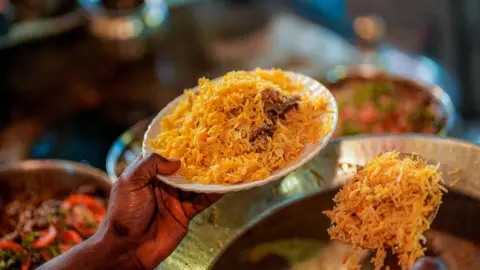
Tempting kebabs, fragrant biryani, and airy, ethereal desserts.
The historic city in northern India of Lucknow has consistently been a food lovers' paradise, with locals and travelers alike celebrating its remarkable cuisine.
An International Accolade
In a recent announcement, Unesco recognised it as a UNESCO Creative City for Gastronomy – adding it to a select roster of international urban centers and sparking hopes that it will showcase Lucknow's exceptional food. With this status, it becomes part of a international community of over 400 urban centers across more than 100 countries dedicated to promoting "creativity as a driver of development that sustains urban life".
The accolade "demonstrates its profound food heritage and vibrant gastronomic culture," according to a spokesperson from Unesco's regional bureau for South Asia.
Lucknow is merely the second Indian city – following Hyderabad, which was selected in 2019 – to secure a position in this coveted list of 70 cities around the world.
An Urban Center with a Culinary Soul
The accolade for this venerable city arrives as little surprise to its inhabitants or passionate food lovers. Many share the sentiment that it is "better late than never".
With the UNESCO accolade, this beloved, lively, and diverse city – the capital of India's largest state – is at last in the spotlight for what has consistently defined its heart: an immense passion for food.
"'The day's menu, how should it be prepared' is a continued discussion from morning until going to bed in most homes," states a local cultural expert. "And you are often judged by the excellence of food that comes out of your kitchen."
A Royal Culinary Legacy
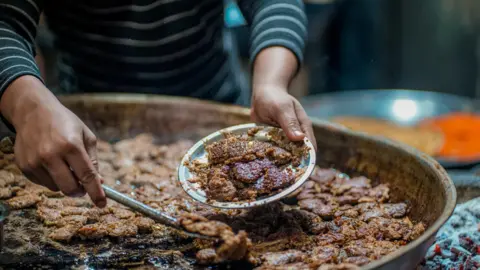
The City of the Nawabs – as it's widely known after its historic wealthy Muslim rulers – is famed for its succulent kebabs and a singular take on biryani that were invented, refined, and taken to extraordinary levels in their opulent kitchens.
These imperial kitchens were hubs of food experimentation, blending Iranian and indigenous Indian styles to create what became known as the culinary tradition of Awadh.
It was in that period that Lucknow's iconic kebabs were created. The story goes that the galouti kebab was invented to feed an elderly nawab who had no longer had his teeth. His cooks ground the meat with papaya, kesar, and a blend of spices and made it so fine that it needed no chewing.
But arguably the greatest contribution of the chefs of Awadh was the slow-cooking Dum pukht technique, where food is prepared on a low, leisurely heat, with the pot's lid tightly sealed with dough.
A Diverse Culinary Landscape
Apart from the well-known kebabs and biryani, the cooks also developed a collection of dishes that included kormas (creamy curries), sheermal (saffron-infused flatbread), and shahi tukda (a decadent bread pudding).
However, Lucknow is not only about kebabs and biryani – the region is additionally a dream for plant-based eaters.
The local traditionally vegetarian community's cuisine not only highlights seasonal produce but also provides the city its meticulously prepared Indian desserts, sweets, and unique street food, like chaat – zesty fried snacks.
Hidden Gems and Legacy Eateries
Almost on every corner, there are small establishments and kiosks – hidden treasures that are immensely loved by the locals.
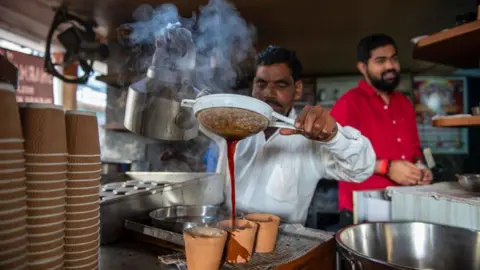
In the central district of Hazratganj, throngs of people start milling around from 5 am at a legendary tea stall to get a steaming cup of milky masala chai, offered in kulhads, along with incredibly soft buns covered in freshly churned white butter.
To start the day, one can visit a unpretentious joint situated in the historic quarter of Aminabad. Almost 150 years after it was founded, the place is still highly popular for its hot kachoris (fried bread stuffed with lentils) and jalebis (crispy, syrup-soaked sweets).
Preserving Tradition for the Future
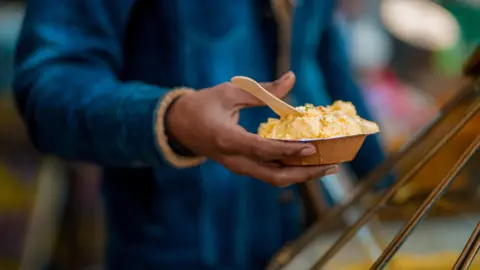
The city also boasts unique treats of the season, such as makkhan malai, a frothy dessert found in the winter. The technique of making it is intricate and demanding. The cook whisks the milk and then exposes it at night, allowing the nighttime moisture to give it its amazing airy feel.
On crisp mornings, street vendors line up in historic neighborhoods like Aminabad and Chowk. A number of however express concern that their younger generation do not want to learn the craft.
A well-known culinary expert from Lucknow has noted that the city's immense food legacy places it among the best of the Indian street food experience. The significant impact from the UNESCO recognition, it is believed, will materialize only if Lucknow can now generate interest about its lesser-known eateries.
Every dish in Lucknow tells a story – crafted by family-run food businesses, from humble street carts to lively restaurants, and closely held family recipes.
The worldwide honor, it is hoped, will motivate more people around the world to discover these tales and visit the city to savour the culinary delights of Lucknow.


